01
Video
Introduction
An overview of the track. The technologies used (Next.js, Supabase, Stripe), their respective roles, how they fit together. You don't need to master these tools. You need to understand what they do.
From idea to a live product, with built-in payment. Never coded before? This track starts from zero.
Steps
Modern technologies
No credit card
Track level
Vibe coding has changed the rules. A lawyer with an idea for a legal piece of software can now turn it into a working application, hosted online, with user sign-up and card payment. Without writing a line of code themselves. Without hiring a developer. Without raising funds.
This track takes you from the raw idea all the way to a deployed product. You learn to use generative AI to build, deploy and monetize your first SaaS (Software as a Service) with three modern technologies: Next.js for the interface, Supabase for the database, Stripe for payment.
The result: a working web application, accessible online, that users can test, use and pay for.
Each step builds on the previous one. By the end, your SaaS is running, accepting sign-ups and payments.
An overview of the track. The technologies used (Next.js, Supabase, Stripe), their respective roles, how they fit together. You don't need to master these tools. You need to understand what they do.
The step everyone wants to skip. And the most important one.
What problem does your tool solve? For whom? What is the user workflow from the first click to the last? Which features are essential at launch, and which can wait?
This exercise turns your idea into a spec that AI can convert into code. A failed SaaS rarely fails for technical reasons. It fails because the problem was poorly defined.
Your spec becomes an application. Claude Code generates the first working version from your description: user interface, navigation, core business logic. You guide, you validate, you adjust. The result runs locally on your machine.
Your code is saved on GitHub. Every change is versioned. If something breaks, you roll back. Syncing takes a few seconds and becomes second nature.
A SaaS stores data: users, content, transactions. Supabase provides a hosted PostgreSQL database, with a visual interface to manage it. This step connects your application to its database and structures the data it needs.
Users need to be able to create an account, log in, and resume their session. Supabase Auth handles authentication (email/password, Google sign-in, magic link). You integrate the system into your application in a few exchanges with Claude Code.
The V1 works. Users log in. What's left is adding the features that make your tool useful: dashboards, exports, notifications, business logic specific to your use case. You work with Claude Code to add, test and refine each feature.
Going solo. You pick a feature you want to add and you build it yourself with Claude Code.
The goal: confirm that you've mastered the full process (describe the need, generate the code, test, fix, deploy) without following a step-by-step guide.
Four examples out of dozens. Vibe coding applied to law opens up a field no agency covered before.
Tax lawyer
A custom tax simulator for your clients, configurable by regime (sole proprietorship, professional income, corporate tax, dividends).
Employment law firm
An automated dismissal-letter generator with clauses tailored to the grounds and the applicable collective agreement.
Immigration law specialist
A case-tracking tool your clients consult on their own, with notifications when milestones are reached.
Legal department
An internal compliance dashboard, fed by business contributors, with exports and alerts.
The track doesn't turn you into a developer. It gives you the ability to build a working tool to test an idea, solve a recurring problem, or create a product you can sell.
You don't need to master them beforehand. You learn by building.
Next.js
A React framework for the front end and back end. The modern standard for building a web SaaS.
Supabase
A hosted PostgreSQL database + authentication + file storage. All-in-one, free to get started.
Stripe
Card payments, subscriptions, invoice management. The standard for online payments.
You want to test it without a development budget. The track gives you everything: architecture, code, deployment, payment.
Calculator, simulator, client assistant: you turn your knowledge into a digital product that earns without your time.
You have an internal tool to build (tracking, dashboard, workflow) and IT has a saturated roadmap. You build it yourself in a few weeks.
The "Build my website with Claude Code" track is a good prerequisite but remains optional.
Des Avocats et juristes qui sont passés par nos formations. Pas de filtre, pas de réécriture, leurs mots à eux.
100 % de nos apprenants sont satisfaits
Évaluations post-formation
Nos formateurs construisent des outils IA juridiques tous les jours pour de vrais cabinets. Vous êtes formé par celles et ceux qui pratiquent.
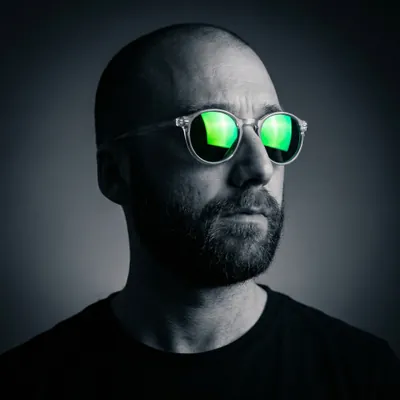
Président · Chief AI Officer
11 ans d'innovation dans le secteur juridique. Fondateur de La Fabrique Juridique, créateur de Supernovia.io, ex-Directeur Marketing Jarvis Legal. A accompagné des dizaines de cabinets et legaltechs dans leur croissance.
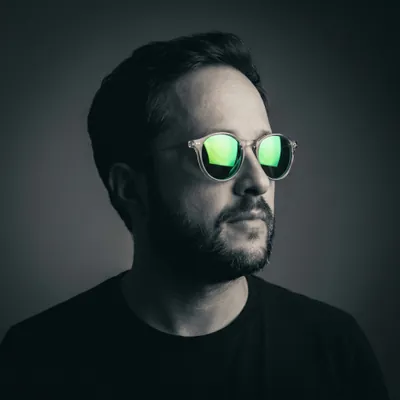
Alexis Deborde
Co-fondateur
Juriste devenu entrepreneur, pionnier de la legaltech française. Fondateur de Leganov, co-fondateur d'Hercule, créateur de Smartpreuve. Classé parmi les « 40 qui font le futur du droit » par l'Institut Choiseul.

Joachim Darmalingon
CTO
7 ans en développement d'applications SaaS. Ex-développeur Legal Pilot, Lead Dev Supernovia.io, créateur de Lexiwork et KaribNav. Ingénieur MIAGE, spécialiste des architectures scalables.

Benjamin Barbé
Infra & Cybersécurité
Tech Lead et Solution Architect, fondateur de Techspike, créateur de la Zevra Factory. Spécialiste des migrations complexes, architectures distribuées et cybersécurité juridique (RGPD/NIS2, ANSSI).

Gilles Monnier
Chef de Projet IT
Le chef d'orchestre qui transforme la vision en livraison. Il assure le lien entre les exigences métier des clients et l'exécution technique. Respect des délais, conformité, intégration.
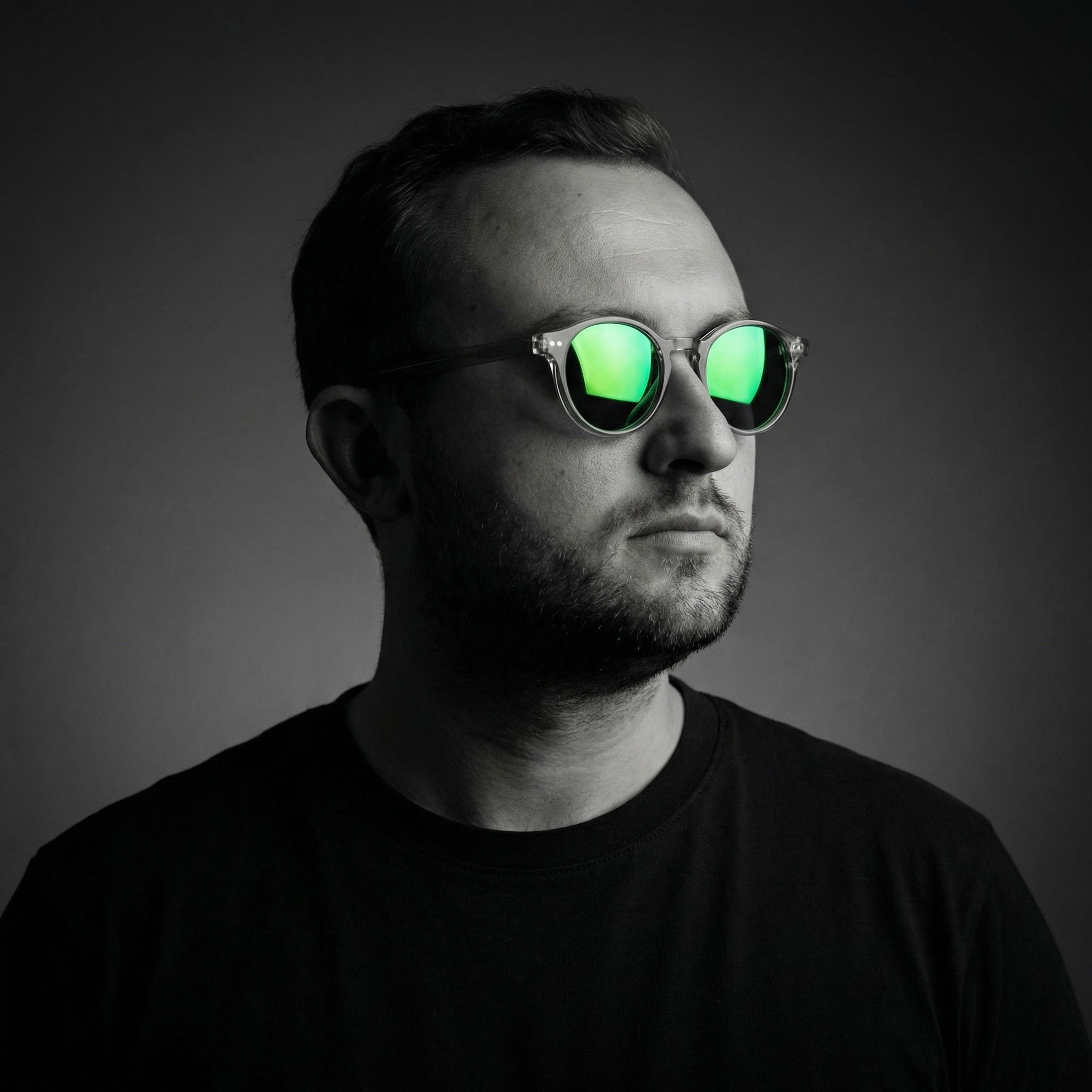
Pierre-Louis Roquet
Avocat · Animateur Campus
Avocat au barreau de Lyon, co-fondateur de SmartLawyer. Anime la communauté Zevra Campus et intervient sur les formations Avocats. Un Avocat qui forme des Avocats.
Free · 9 capsules
If the AI dimension behind the SaaS still feels fuzzy, the foundational track clears it all up: LLMs, prompts, hallucinations, security.
Explore →Residential · 3 days
To push the SaaS all the way to a client prototype, in person and supported. Seven participants, accommodation included.
See the Bootcamp →Custom
If your SaaS scales up (multi-user, complex integrations, advanced security), our Studio takes over the technical side.
See the Studio →Free Rookies account, no credit card. You describe your idea, you follow the steps, you publish your SaaS.